
Understanding Seamless and Welded Pipes: Key Insights for Construction and Decoration
2026-01-02


Seamless pipes are manufactured from a single piece of metal, which gives them an advantage when it comes to strength and reliability. Because they do not have any welded seams, they are less susceptible to leaks and failures under pressure. This characteristic makes seamless pipes an excellent choice for high-pressure applications, such as oil and gas pipelines, where safety and durability are paramount. Additionally, the absence of seams results in a more uniform surface, which can enhance both the mechanical properties and the aesthetic quality of the finished product.
On the other hand, welded pipes are created by joining two or more pieces of metal together using welding techniques. While they may not possess the same level of strength as seamless pipes, modern welding technology has significantly improved the integrity of welded joints. Welded pipes are often more cost-effective and can be produced in larger sizes and lengths, making them a popular option for a variety of construction applications. They are frequently used in plumbing, HVAC systems, and structural frameworks, where large quantities of material are needed without compromising overall quality.
When selecting between seamless and welded pipes, several factors should be considered, including the required pressure ratings, the type of fluid being transported, and budget constraints. Seamless pipes may carry a higher price tag due to their manufacturing process, but their longevity and performance in demanding situations often justify the investment. Conversely, if the application permits and budget is a concern, welded pipes may offer a practical solution without compromising functionality.
In terms of installation, both seamless and welded pipes can be utilized in various construction projects, but their specific properties may dictate the best practices for handling and assembly. Seamless pipes might require specialized techniques to ensure proper fitting, while welded pipes can generally be more straightforward to work with due to the adaptability of their joints.
In conclusion, understanding the differences between seamless and welded pipes is essential for anyone involved in the construction and decoration materials industry. By evaluating the strengths and limitations of each type, you can make well-informed decisions that cater to the specific needs of your projects. Whether opting for the robust nature of seamless pipes or the economic benefits of welded pipes, knowing the right application will ultimately lead to successful outcomes in your construction endeavors.
TAG:
Related Posts
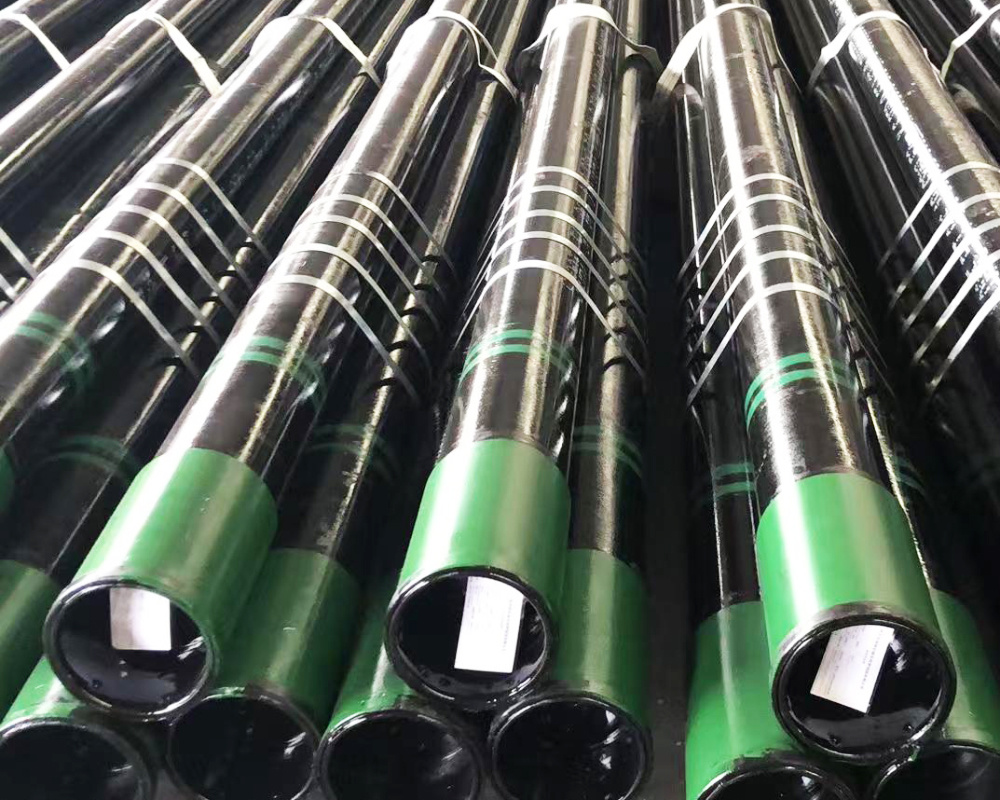
Understanding A53 Seamless Pipe: Essential Insights for Building and Construction
MESSAGES
We will contact you within one working day. Please pay attention to your email.

Xindian Town, Cangzhou City, Hebei Province, China.
COOKIES
Our website uses cookies and similar technologies to personalize the advertising shown to you and to help you get the best experience on our website. For more information, see our Privacy & Cookie Policy
COOKIES
Our website uses cookies and similar technologies to personalize the advertising shown to you and to help you get the best experience on our website. For more information, see our Privacy & Cookie Policy
These cookies are necessary for basic functions such as payment. Standard cookies cannot be turned off and do not store any of your information.
These cookies collect information, such as how many people are using our site or which pages are popular, to help us improve the customer experience. Turning these cookies off will mean we can't collect information to improve your experience.
These cookies enable the website to provide enhanced functionality and personalization. They may be set by us or by third-party providers whose services we have added to our pages. If you do not allow these cookies, some or all of these services may not function properly.
These cookies help us understand what you are interested in so that we can show you relevant advertising on other websites. Turning these cookies off will mean we are unable to show you any personalized advertising.