
Understanding A53 Seamless Pipe: Key Features and Applications in Construction
2025-02-23


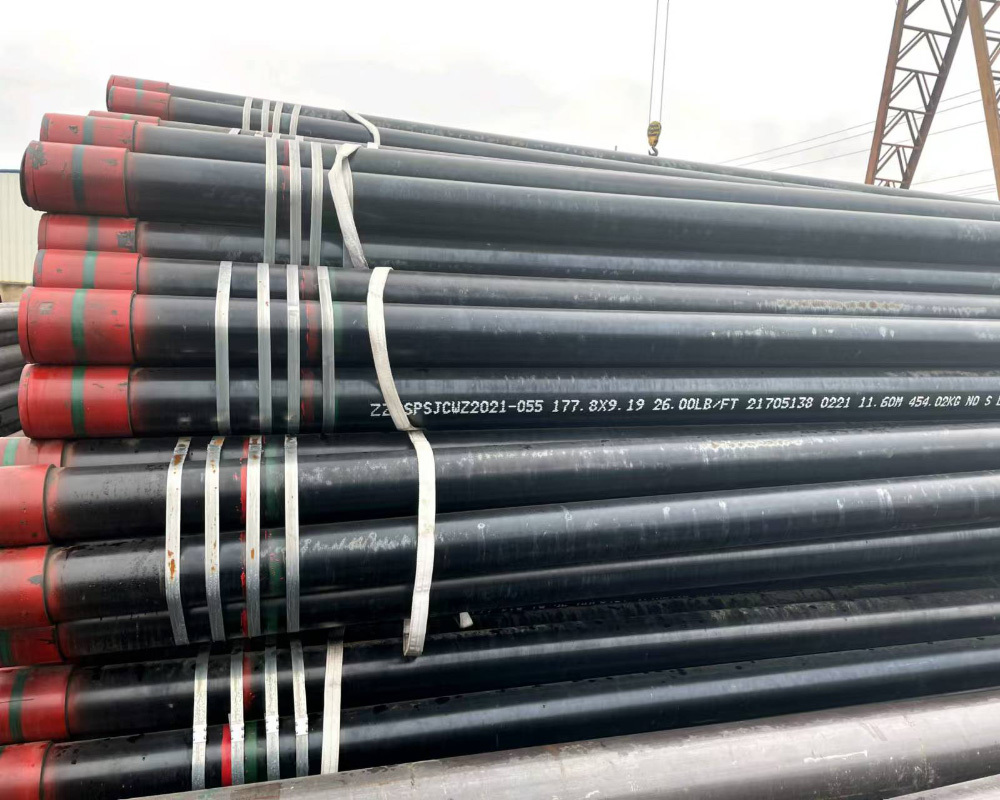
One of the key features of A53 seamless pipe is its lack of longitudinal welding, which eliminates the risk of weld-related failures. This seamless construction provides enhanced strength and reliability, making these pipes suitable for high-stress applications. The absence of weld seams also allows for better corrosion resistance and uniformity in wall thickness, leading to improved performance over time.
A53 seamless pipes are categorized into different grades, primarily Grade A and Grade B, which reflect their tensile strength and yield strength characteristics. Grade B pipes, for instance, typically have higher mechanical properties, making them ideal for demanding structural applications. It is important to consider these grades when selecting the appropriate piping for your project, as they can significantly impact overall performance and safety.
In terms of applications, A53 seamless pipes are widely used in various sectors. They are commonly employed in water and gas pipelines, where their strength and corrosion resistance are crucial. Additionally, these pipes are integral to the construction of buildings, bridges, and other infrastructure where robust materials are essential. Their versatility extends to the mechanical industry as well, where they can be utilized in the manufacturing of machinery and equipment.
Another advantage of A53 seamless pipes is their ability to be easily customized to meet specific project requirements. They can be produced in various diameters and lengths, making them adaptable for different applications. This flexibility allows engineers and builders to design projects with precision, ensuring that the materials used are perfectly suited for their intended functions.
When sourcing A53 seamless pipes, it is essential to ensure that they meet relevant industry standards and specifications. Quality control during manufacturing can significantly affect the performance and durability of the pipes, so opting for reputable suppliers can help guarantee the integrity of your construction materials.
In conclusion, A53 seamless pipes are a vital component in the construction and decorative materials industry, offering superior strength, durability, and versatility. Understanding their properties, advantages, and wide-ranging applications can help professionals make informed decisions when selecting materials for their projects.
TAG:
Related Posts
The Role of A106 Seamless Pipe in Enhancing Structural Integrity

MESSAGES
We will contact you within one working day. Please pay attention to your email.

Xindian Town, Cangzhou City, Hebei Province, China.
COOKIES
Our website uses cookies and similar technologies to personalize the advertising shown to you and to help you get the best experience on our website. For more information, see our Privacy & Cookie Policy
COOKIES
Our website uses cookies and similar technologies to personalize the advertising shown to you and to help you get the best experience on our website. For more information, see our Privacy & Cookie Policy
These cookies are necessary for basic functions such as payment. Standard cookies cannot be turned off and do not store any of your information.
These cookies collect information, such as how many people are using our site or which pages are popular, to help us improve the customer experience. Turning these cookies off will mean we can't collect information to improve your experience.
These cookies enable the website to provide enhanced functionality and personalization. They may be set by us or by third-party providers whose services we have added to our pages. If you do not allow these cookies, some or all of these services may not function properly.
These cookies help us understand what you are interested in so that we can show you relevant advertising on other websites. Turning these cookies off will mean we are unable to show you any personalized advertising.